Suzanne Norman
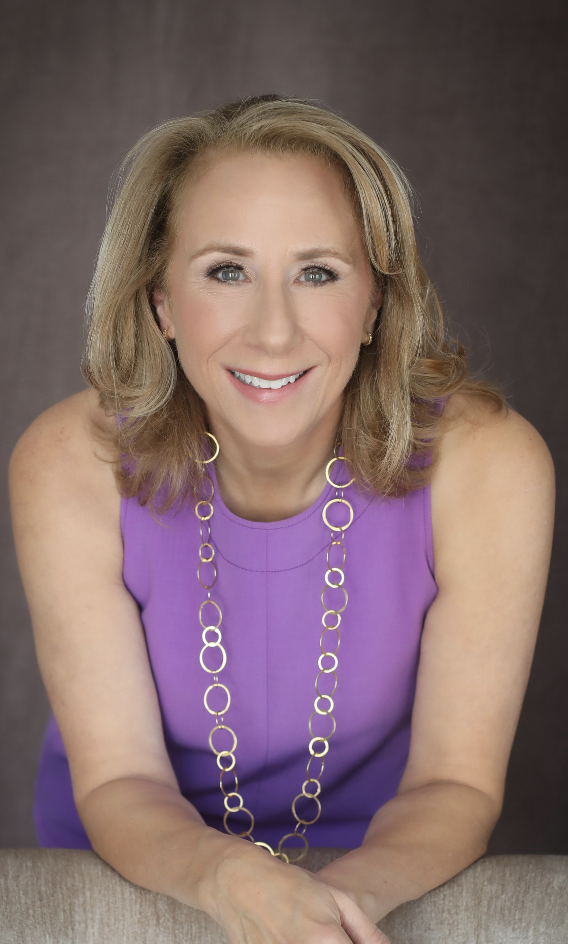
Suzanne Norman
Suzanne Norman is a certified coach, writer, speaker, and financial literacy expert with over 30 years of experience in investment management, including leadership roles at Milliman, AllianceBernstein, Merrill Lynch, and Wells Fargo. She’s the creator of the Whealthy Woman series, designed to help women and their allies build strong financial skills and lasting confidence.
Suzanne serves as an Education Fellow for the Retirement Income Institute, Senior Education Advisor for the Alliance for Lifetime Income, and Advisor to the Women in Leadership Program at the University of Vermont. Her credentials include CPCC, Positive Intelligence®️ Coach, CIMA®️, and a Certificate in Women in Leadership from Cornell.
A committed community leader, she co-chairs the CFA Society Boston Financial Literacy Initiative and volunteers with several nonprofits. When she’s not working, she enjoys travel, photography, the outdoors, and time at her Cape Cod retreat.
A CONVERSATION WITH ABBY RAPHEL AND SUZANNE NORMAN
ABBY: The thread that unites us is truly Money and Meaning—at the core of what we do is helping people embrace money as a tool to support their purpose and goals. What has been your money and meaning journey, and how has it led you to the work you do as an educator and coach?
SUZANNE: The quote attributed to Ayn Rand, “Money is only a tool. It will take you wherever you want to go, but it will not replace you as the driver,” really gets to the essence of financial health. We need to be active participants if we want a good relationship with money.
Financial wellness starts with a commitment to being an educated, engaged, and empowered partner with your money. This can be one of the most fulfilling relationships you have in your life, or one of the worst. It is your choice. Helping people understand they have this power is one of the most joyful aspects of my work.
Like any good relationship, the first step is knowing who you are and what you want. What core values guide you in your decisions? What is your purpose in life? Once you answer these questions, you have self-knowledge and a framework to ensure your money habits have meaning and align with your goals. This is deeply personal work. It takes time and introspection. But the reward for this work? You now have a personal “operating system” on a strong foundational to help you reach your goals.
Engagement comes from a clear-eyed awareness of your financial inflow and outflow. And it starts with these three questions:
How do you earn money? Actively through a wage or running a business? Or passively, with assets that pay you (e.g., real estate, investments).
How do you spend money? With intention or aimlessly?
How do you manage money? With attention or avoidance?
Answering these three questions can help identify any misalignments with your values, purpose, and goals. This exercise also gets you ready to B.U.D.G.E.T.— Be Under Direction, Gain Economic Truth.
And remember, “A journey of a thousand miles begins with the first step.” Your relationship with money is active and dynamic. One of discovery, creation, and change. You will make mistakes. A mentally healthy perspective to adopt— these are opportunities to learn. True empowerment comes from applying these lessons to, “do better next time.” This is the way you build confidence and competence in your financial decisions. And be aware of a big hurdle—irrational money behaviors. Emotions play a huge role in how you navigate this path. Which behaviors and biases prevent you from making optimal decisions? Do you have an inner critic that prevents you from feeling good about your financial choices? Rewiring your perspective and narrative can be a helpful way to prevent these self-hijacks.
Women’s financial empowerment is especially critical. Projections show women will control half the wealth in the U.S. by 2030. Unfortunately, women continue to report not being seen and heard by the financial community. The Whealthy Woman series was created to help bridge this gap. Wealth and health are a virtuous cycle. Women, especially, need to maintain both. Their longer lifespans, along with the growing number of single households, mean needing to stay mentally, physically, and financially “fit.” Over 50% of women ages 65+ are unpartnered, so this fitness is critical. The programs in this series were built by combining coaching techniques with personal finance skills to help women of all ages feel more empowered. A reminder to male allies and the financial community, “Women hold up half the sky.” People who help them carry this load will be rewarded!
ABBY: You have a big heart for making an impact. Can you tell us more about your philanthropic endeavors in empowerment and financial literacy?
SUZANNE: I try to live by Arun Ghandi’s quote from his grandfather, Mahatma’s, teachings, “Be the change you wish to see in the world.”
The lack of financial literacy education creates an imbalanced system between the users (i.e., consumers) and the sellers (i.e., financial institutions). Only 35 states require a class in personal finance to graduate high school. This knowledge gap causes, at best, confusion and, at worst, adverse financial outcomes. The FINRA Foundation recently reported that only 4% of people surveyed were able to answer seven basic personal finance questions correctly. So many opportunities exist to help fill this gap. I currently serve as Co-Chair of CFA Society Boston’s Financial Literacy Initiative, one of the longest running programs in CFA. Our volunteers teach in public and private companies, not-for-profit organizations, schools, government entities, and libraries. I also served on the Board of Junior Achievement of Greater Boston, one of the oldest not-for-profit organizations focused on financial literacy. My call to action for anyone who cares about economic empowerment—step into this space. Your stories and lived experiences help educate people how to have better money skills. If you are an investment professional, you have even more to share about building wealth as an investor. Imparting this knowledge can be the great “equalizer” and help people move from economic scarcity to economic abundance.
ABBY: Redwoods is centered on The Human Experience of Wealth™ and your background in investments, psychology, and coaching are critical to understanding the whole person. What final thoughts do you have on this principle?
SUZANNE: I love that Redwoods deliverables are built on ways to help people learn about themselves, not just the basics of finance—"We Coach. We Teach. We Guide. We Mentor. We Inspire. We Build Bridges. And our ‘job well-done’ is one where the wealth holder and their teams are in alignment.” This creates a much better way to foster lasting wellness.
So many behaviors contribute to a successful relationship with money. A virtuous cycle occurs when your mental, financial, and physical fitness are in harmony.
The good news— when you give attention to these areas, you can improve your financial wellness during all stages of your life. As Mary Shelly wrote, “The beginning is always today.”
Let us help you get started!